
Dating again after a long relationship is often described as frightening, complicated and emotionally exhausting…

Why Relationships Rarely Break in One Moment
2.
Why Relationships Rarely Break in One Moment
When a relationship ends, we naturally look for the moment it broke.
The affair.
The argument.
The revelation.
The night somebody packed a bag.
The sentence:
“I don’t think I can do this anymore.”
We point to the event and say:
“That’s when the relationship ended.”
Sometimes it is.
Betrayal, abuse or another serious rupture can fundamentally change a relationship in a single moment.
But often, I think we’re looking at the wrong part of the story.
Because sometimes the moment a relationship appears to break…
is simply the moment the crack finally becomes visible.
Engineers Understand Fatigue
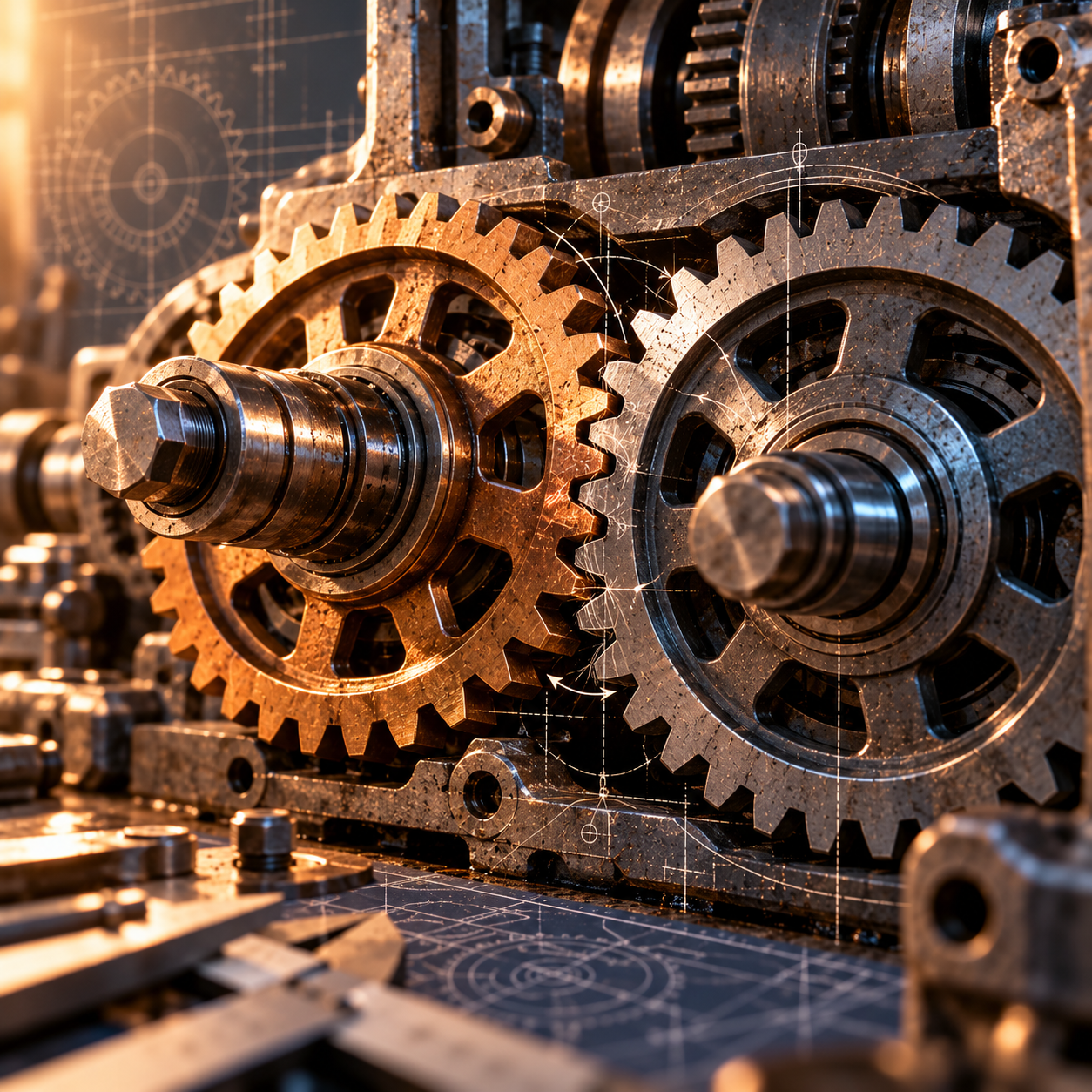
There’s an engineering idea called fatigue.
A component can withstand a load once.
Perhaps thousands of times.
But repeated stress can gradually weaken the material.
Tiny changes accumulate.
Often invisibly.
Until one day something fails.
To somebody watching, the failure appears sudden.
To the engineer investigating it, the story began much earlier.
I think relationships can behave similarly.
Not because people are pieces of metal.
But because repeated experiences matter.
Relationships Accumulate
One unanswered message probably won’t destroy a relationship.
One distracted conversation probably won’t either.
One evening without affection.
One forgotten promise.
One moment where somebody needed you and you didn’t notice.
Most relationships can absorb those things easily.
We’re human.
We get tired.
We get distracted.
We get things wrong.
The problem isn’t imperfection.
It’s accumulation without repair.
The Hairline Crack
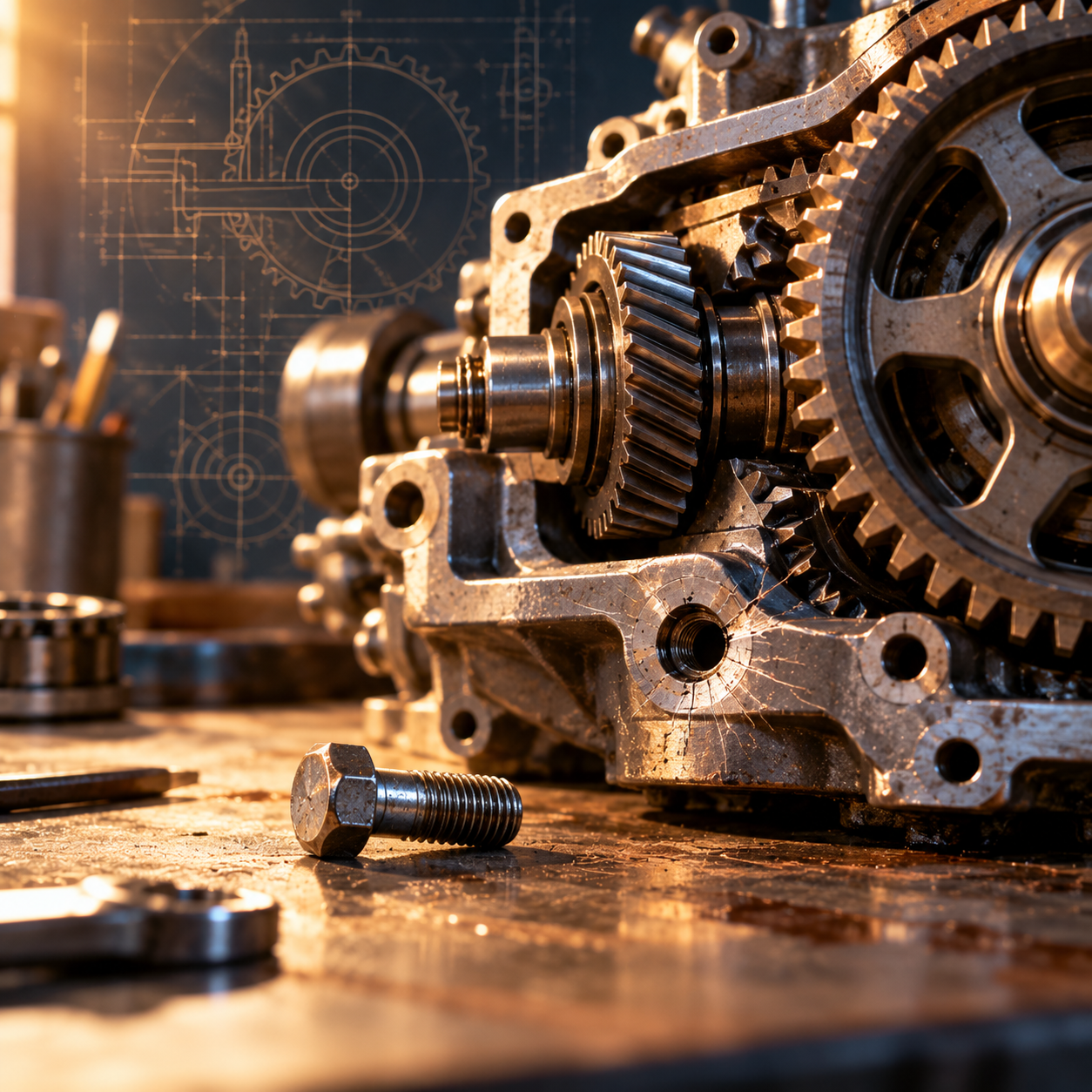
Imagine noticing a tiny crack in a structure.
You have choices.
Investigate it.
Monitor it.
Repair it.
Or decide:
“It’s only a tiny crack.”
And perhaps it is.
But the interesting question isn’t only how large the crack is today.
It’s:
“What is creating it?”
That’s how I think about repeated relationship problems.
The argument itself may be small.
But if the same argument keeps appearing, I’m interested in the force behind it.
What keeps putting pressure on the same point?
That’s where the useful information is.
Repair Matters More Than Perfection
I don’t believe healthy couples are couples who never hurt each other.
That seems an impossible standard.
People misunderstand.
We become defensive.
We forget things.
We speak badly.
We occasionally fail to notice what’s happening for the person beside us.
The more interesting question is:
What happens next?
Do we repair?
Do we become curious?
Do we acknowledge the impact?
Or do we simply move on because the argument has stopped?
Silence after conflict isn’t necessarily repair.
Sometimes it’s just the point where both people became too tired to continue.
When The Small Things Stop Being Mentioned
There’s something else I’ve noticed.
We tend to assume arguing is always evidence that a relationship is struggling.
Sometimes I’m more interested in the moment the arguing stops.
Not because the problem was resolved.
Because somebody stopped believing there was any point mentioning it.
“We’ve talked about this before.”
“Nothing changes.”
“It’s easier just to do it myself.”
That can look peaceful from the outside.
But as we’ve already explored in this series:
quiet and peaceful aren’t necessarily the same thing.
Sometimes silence isn’t contentment.
It’s resignation.
Preventative Maintenance Isn’t Very Romantic
Anyone who’s owned a car knows maintenance is considerably less exciting than repair.
Oil.
Tyres.
Fluids.
Filters.
Nothing dramatic.
But ignore enough small maintenance and eventually you get a much more exciting problem than you wanted.
Relationships need maintenance too.
Not scheduled servicing with a clipboard.
Just attention.
The small:
“Are we okay?”
“I noticed you’ve been quiet.”
“I don’t think I handled that very well.”
“Can we try that conversation again?”
Those moments aren’t dramatic.
That’s precisely the point.
Repair is usually cheaper than reconstruction.
Own Your Impact Before There’s a Crisis
One of the traps in relationships is waiting until something becomes serious before taking it seriously.
But Own Your Impact asks a different question.
Not:
“Have I done something terrible?”
But:
“What am I repeatedly contributing to the space between us?”
Perhaps I withdraw every time there’s conflict.
Perhaps I become sarcastic when I’m uncomfortable.
Perhaps I stop initiating affection when I feel rejected.
Perhaps I repeatedly say I’m fine and then resent you for believing me.
None of these automatically makes me the problem.
But they’re part of the system.
And if I’m part of the system, I have some influence over what happens next.
The Final Argument Is Rarely Just the Final Argument
This is why couples can appear to have an enormous reaction to something tiny.
One person sees:
“You forgot to call.”
The other experiences:
“This is the hundredth time I’ve felt unimportant.”
One person is responding to Tuesday.
The other is responding to the accumulated weight of the last three years.
Neither understands why the conversation has suddenly become so enormous.
But it didn’t become enormous on Tuesday.
Tuesday simply carried everything that came before it.
The Perspective Shift
Perhaps relationships don’t always break because one terrible thing happened.
Sometimes they weaken because too many small things happened…
and too few were repaired.
That shouldn’t make us frightened of every disagreement.
Quite the opposite.
It means small moments of repair matter too.
The apology.
The conversation.
The touch.
The decision to ask rather than assume.
The willingness to notice a pattern before it becomes a crisis.
Because relationships don’t only accumulate damage.
They accumulate repair as well.
And that may be the more important engineering principle.
Reflection
Think about something that repeatedly causes friction in your relationship.
Instead of asking:
“Why do we keep arguing about this?”
Try asking:
“What keeps placing pressure on this particular part of our relationship?”
Then one more question:
“Are we repairing it, or simply waiting for the tension to disappear?”
The answers may tell you considerably more than the argument itself.
Summary & Key Takeaways
- Some relationships do change because of one major rupture, but many deteriorate gradually.
- Repeated small experiences can accumulate emotional weight.
- Imperfection isn’t the main problem; lack of repair often matters more.
- The end of an argument doesn’t necessarily mean the issue has been resolved.
- Own Your Impact means noticing what you repeatedly contribute to the relationship system.
- Healthy relationships accumulate positive repair as well as inevitable wear.
- The moment a relationship appears to break may simply be when an older crack finally becomes visible.

Related Posts

Comments (0)