
Dating again after a long relationship is often described as frightening, complicated and emotionally exhausting…
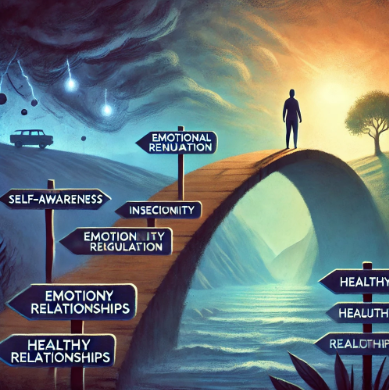
Healing from Unhealthy Attachment Patterns
Introduction
If you’ve ever struggled with anxiety in relationships, emotional distance, or a fear of intimacy, your attachment style may be at the root of it. While our attachment patterns are shaped in childhood, the good news is that they are not permanent. With self-awareness and effort, you can move toward a secure attachment style and build healthier, more fulfilling relationships.
This post will explore how to recognise unhealthy attachment patterns and practical steps to heal and create stronger emotional connections.
Step 1 – Identify Your Attachment Style
Healing begins with awareness. Ask yourself:
-
Do I fear abandonment or need constant reassurance? (Anxious attachment)
-
Do I struggle with emotional closeness and prefer independence? (Avoidant attachment)
-
Do I crave connection but also fear intimacy? (Fearful-avoidant attachment)
If any of these resonate, you may have an insecure attachment style, which can be reshaped with mindful effort.
Step 2 – Challenge Unhealthy Relationship Beliefs
Your attachment style is often influenced by early childhood experiences, but those beliefs don’t have to define your future relationships.
Common unhelpful thoughts & how to reframe them:
-
❌ “If they don’t text back immediately, they must not care.”
✅ “People have busy lives. Delays don’t mean I’m being abandoned.” -
❌ “Opening up will push people away.”
✅ “Vulnerability builds trust and deeper connections.” -
❌ “I’m better off handling my emotions alone.”
✅ “Healthy relationships involve mutual emotional support.”
Reframing these thoughts helps you move toward secure attachment.
Step 3 – Develop Emotional Regulation Skills
If you have an anxious or avoidant attachment style, emotional regulation is key to healing.
For anxious attachment:
-
Practise self-soothing instead of relying on external validation.
-
Slow down when feeling triggered, pause before reacting.
-
Build self-worth outside of relationships.
For avoidant attachment:
-
Challenge the belief that vulnerability = weakness.
-
Take small steps to open up emotionally.
-
Practise active listening to deepen connection.
Step 4 – Seek Healthy Relationship Models
If you grew up without secure attachment role models, you can still reprogram how you view relationships.
Ways to do this:
✔ Surround yourself with securely attached people (friends, mentors, couples).
✔ Read books or listen to podcasts about healthy relationships.
✔ Observe what secure attachment looks like, consistent, respectful, and emotionally supportive connections.
Step 5 – Practise Secure Attachment Behaviours
Even if you don’t feel securely attached yet, you can act like it until it becomes second nature.
Communicate directly instead of avoiding difficult conversations.
Set healthy boundaries without fear of rejection.
Allow yourself to depend on others while maintaining independence.
Step 6 – Therapy & Self-Growth
If deep rooted patterns keep resurfacing, therapy can help break the cycle. Attachment based therapy, EMDR, or mindfulness practices can be powerful tools in healing past wounds.
Summary
Healing from an insecure attachment style takes time, but with consistent effort, you can rewire your relationship patterns and develop secure, fulfilling connections. By challenging negative beliefs, practising emotional regulation, and seeking out healthier relationship models, you’ll create a strong foundation for love and connection.
Key Takeaways
-
Recognising your attachment style is the first step to healing.
-
Challenging old beliefs and practising secure behaviours can create healthier relationships.
-
Emotional regulation and therapy can support long term change.
FAQs
1. Can I really change my attachment style?
Yes! With self-awareness, emotional work, and healthier relationship experiences, you can develop a secure attachment over time.
2. How long does it take to heal from an insecure attachment style?
Healing varies for everyone, but consistent effort can lead to noticeable changes within months to a few years.
3. What if I keep attracting avoidant or anxious partners?
Patterns repeat until we actively change them. Strengthening your own attachment security will naturally attract healthier partners.

Related Posts


Comments (0)